
32 S. Battery
- Home
- 32 S. Battery
Thoughtfully designed spaces that reflect your lifestyle and enhance everyday living. Our interior architecture service blends functionality, aesthetics, and innovation to create environments that inspire.
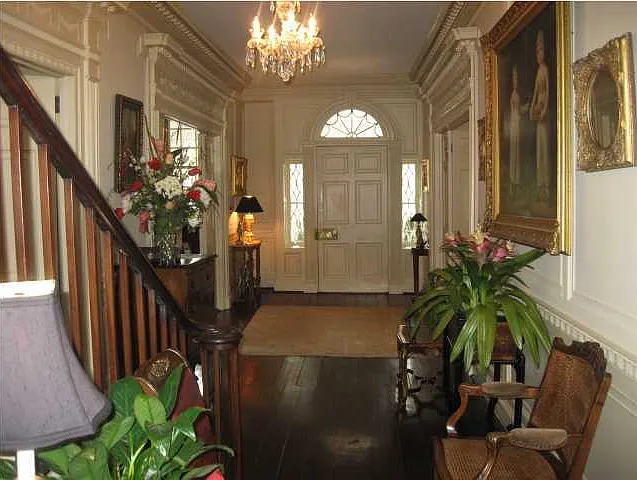
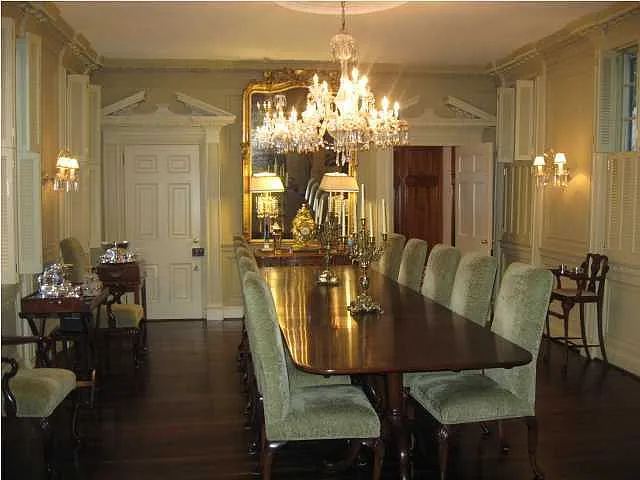
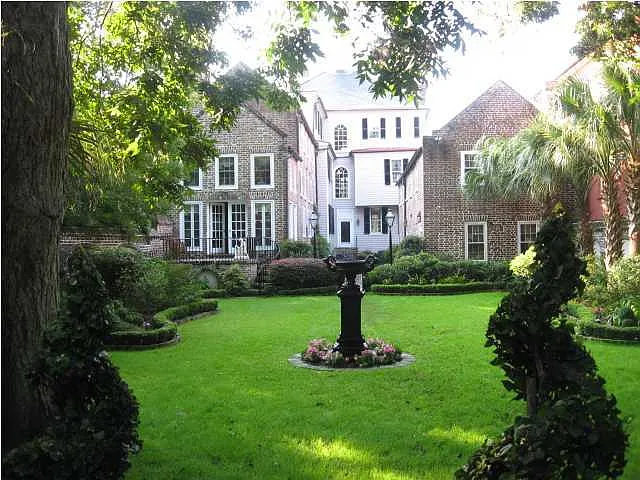
32 S. Battery, Charleston. The “John Ashe House”
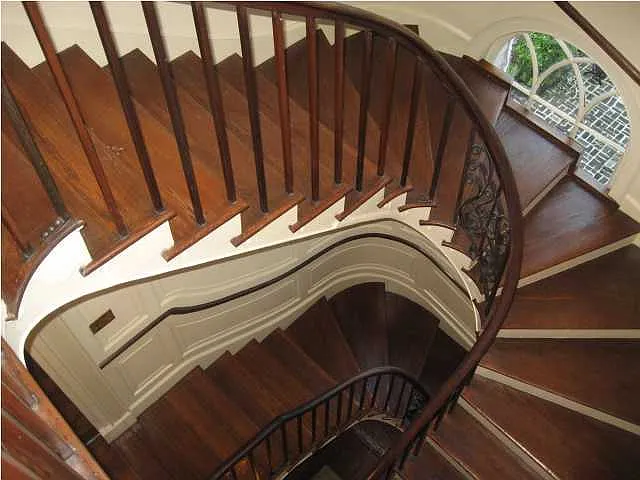
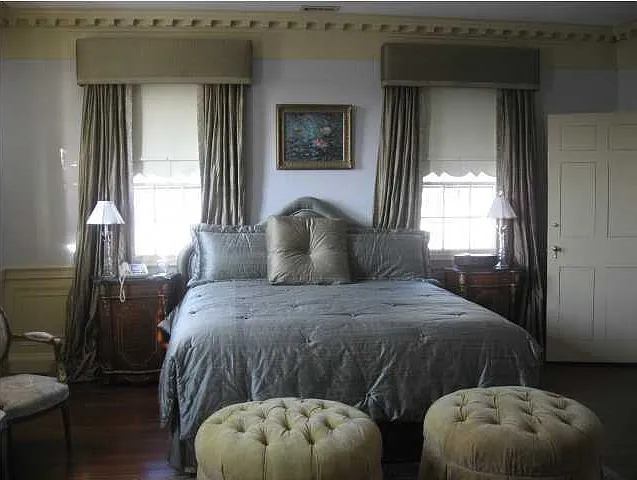
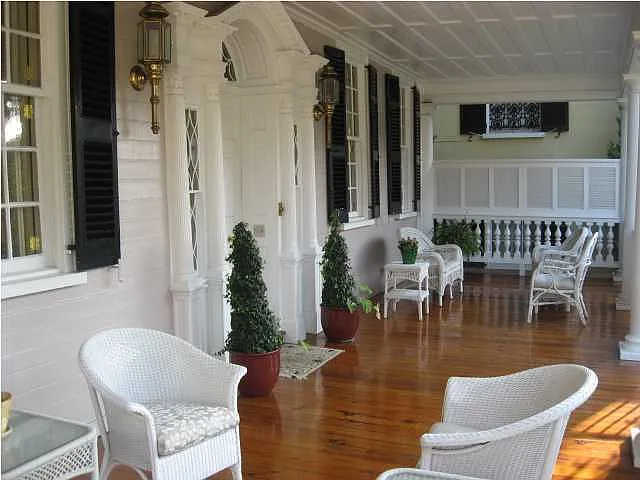
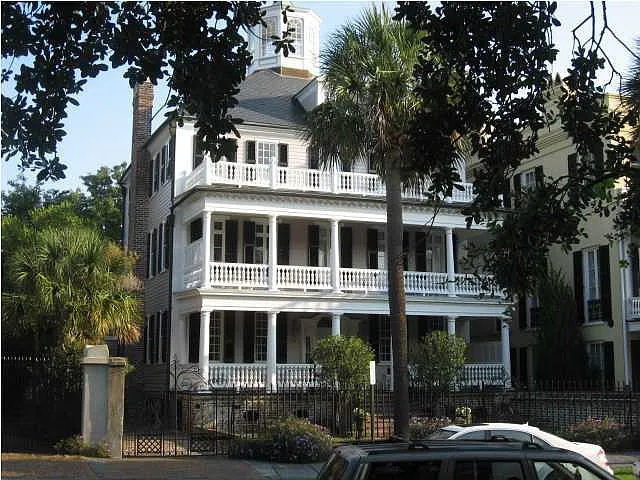
One of Charleston’s most historically significant private residences, it’s known as the Colonel John Ashe House, it occupies one of the premier locations on The Battery, directly across from White Point Garden.
Built in the Early Republic (c. 1782)
The house was built around 1782, just after the American Revolutionary War, for Colonel John Ashe, a wealthy merchant, planter, and shipping entrepreneur. At the time it was constructed, the land in front of the house was open waterfront, giving it unobstructed views of the harbor. White Point Garden did not yet exist.
John Ashe was among Charleston’s prosperous post-Revolution merchants whose wealth helped rebuild the city after years of war.
One interesting local legend is that while the cupola was primarily designed for ventilation—a common feature in Charleston’s hot climate—it was reportedly used at times as a beacon to help guide ships entering the harbor.
The house is listed as Category 1 – Exceptional in Charleston’s Historic Architecture Survey, meaning it is considered among the city’s highest-quality historic buildings. It is frequently included in architectural tours of the Battery alongside many of Charleston’s landmark mansions.
In the past, it has been highlighted that there are two rare overmantel paintings that have remained. These are not simply decorative paintings hung above fireplaces—they are architectural overmantel paintings that are integrated into the rooms and are considered part of the historic fabric of the home.
One, “The Italian Landscape” attributed to Giovanni Paolo Panini (1691-1765), who was one of the foremost painters of eighteenth-century Rome.
The most famous overmantel is described as:
“An 18th-century Italian landscape believed to be attributed to Giovanni Panini (1691–1765).”
There is little publicly available documentation identifying the subject, artist, or provenance of the second painting, which isn’t unusual. Owners of important private homes often keep details of valuable artwork confidential, particularly if the works remain in private hands.
Project Gallery
Recent Projects
- The Sanctuary Hotel
- Owl Bear Cafe
- Sewee Dental
- Tradesman Brewing
- Neon Tiger
- NICO Oysters + Seafood
- Saltwater Cowboys
- Union Station
- 32 S. Battery
- Charleston Development Academy
- Bar Weems
- La Minerva
- Rio Chico
- Tideline Aquatics
- St. Johns Yacht Harbor
- Northshore Town Center
- Turbo Cone
- Taverna Philosophia